
Paper Strength Agents · Dry Strength
Dry Strength Agent for Paper and Paperboard
Dry Strength Agent is used in papermaking to improve dry strength and related physical properties. Product fit depends on the paper grade, fiber furnish and existing wet-end chemical program.
Use the published product data below as a starting point for grade evaluation. Confirm the current TDS, test conditions, addition sequence and operating limits for the specific machine.
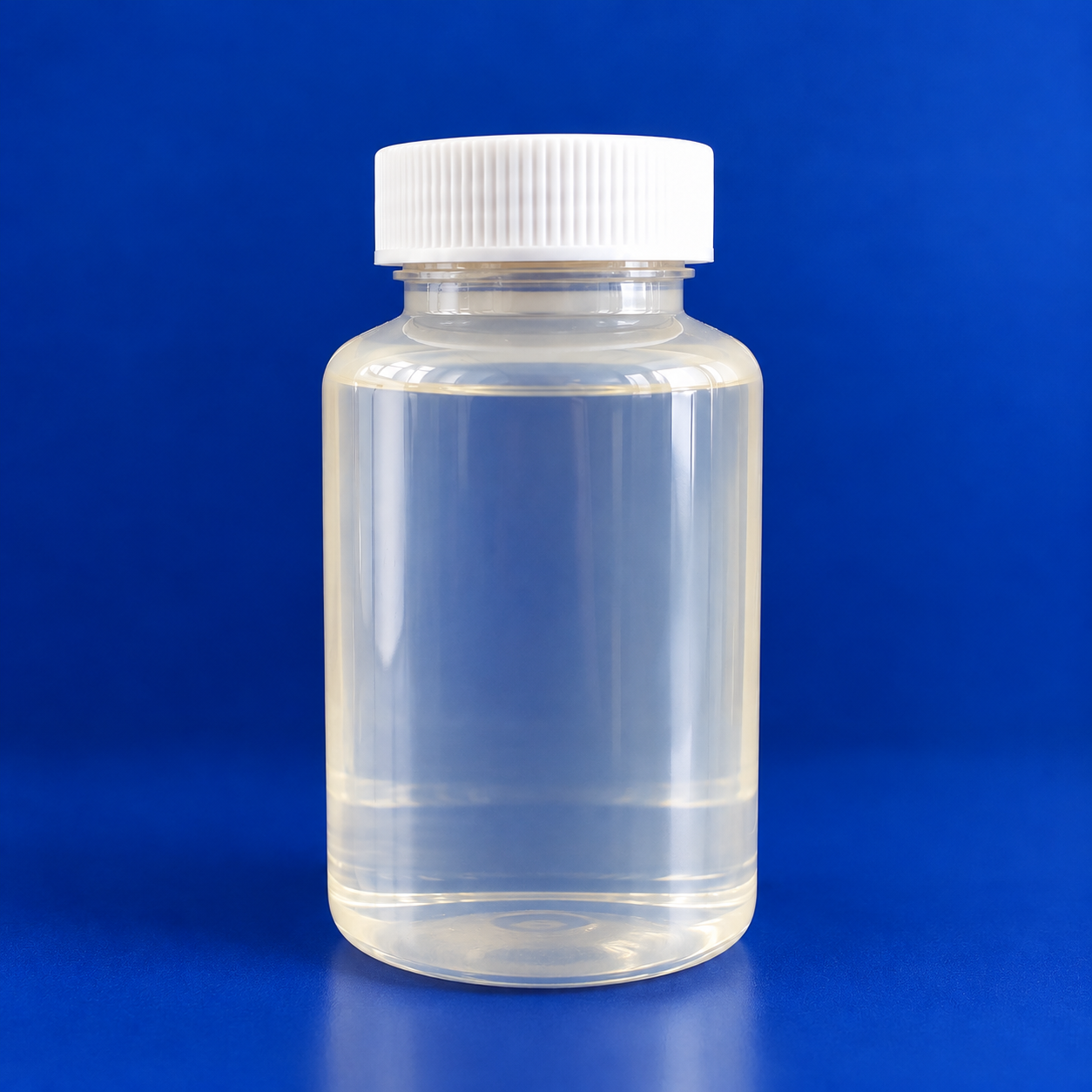
Appearance listed in the current product information.
Confirm the specification for the selected grade.
Review strength response together with formation and machine stability.
Application and process fit
Dry Strength Agent is used to improve dry strength and physical properties in papermaking. The published category information identifies packaging paper, paperboard and other paper grades as possible applications. Suitability should be assessed against the mill’s furnish, target properties and existing wet-end chemistry.
Information to share before evaluation
- Paper grade, end use and target dry-strength properties
- Fiber furnish, recycled-fiber proportion and filler level, where known
- Current wet-end additives and any known compatibility concerns
- Proposed addition point and sequence in the existing program
- Available process pH, temperature and water-quality information
- Test method and indicators the mill wants to track during a trial
Published technical data
The values below reproduce the specifications currently published for Dry Strength Agent.
| Appearance | Colorless viscous liquid |
|---|---|
| Solid Content | 15–20% |
| pH Value | 3.0–6.0 |
| Density | 0.9–1.1 g/cm³ (25°C) |
| Ionic Type | Not specified |
| Viscosity | 4,000–12,000 cps |
| Application | Paper dry strength improvement |
“Not specified” indicates that the current published product information does not list a value. Confirm the latest TDS, test method and storage guidance with Aupha Chem.
How to evaluate the product
Before a mill trial, confirm product preparation, addition point and sequence against the current TDS and the mill’s chemical program. Compare agreed dry-strength indicators and monitor formation and machine stability under controlled conditions.
Dosage and operating limits depend on the furnish, paper grade, machine conditions and existing chemical program. We do not recommend a generic dosage without reviewing those details.
Review dry-strength targets for packaging paper
Use the strength section to plan which baseline and target results to share for liner, medium or kraft grades.
How should a mill judge a dry strength agent trial?
Compare the agreed dry-strength test results on the same paper grade and record the furnish, addition point and wet-end program for both runs. Review sheet formation and machine stability alongside strength before deciding whether to proceed.
Discuss a Dry Strength Agent evaluation
Copy this into your RFQ: Paper grade and furnish: [your grade and furnish]. Current wet-end program and addition point: [your setup]. Dry-strength test: [test method, current result and target].
Request Dry Strength Agent Data or a Quote