
Water Treatment · Flocculant
Anionic Polyacrylamide (PAM) Powder
Anionic polyacrylamide is a water-soluble polymer flocculant that may be evaluated for clarification and solid–liquid separation in papermaking wastewater treatment. Grade selection depends on the water, suspended solids, coagulant program and process conditions.
Use the information below as an application guide. Confirm grade-specific technical data, preparation instructions and compatibility with Aupha Chem before a trial.
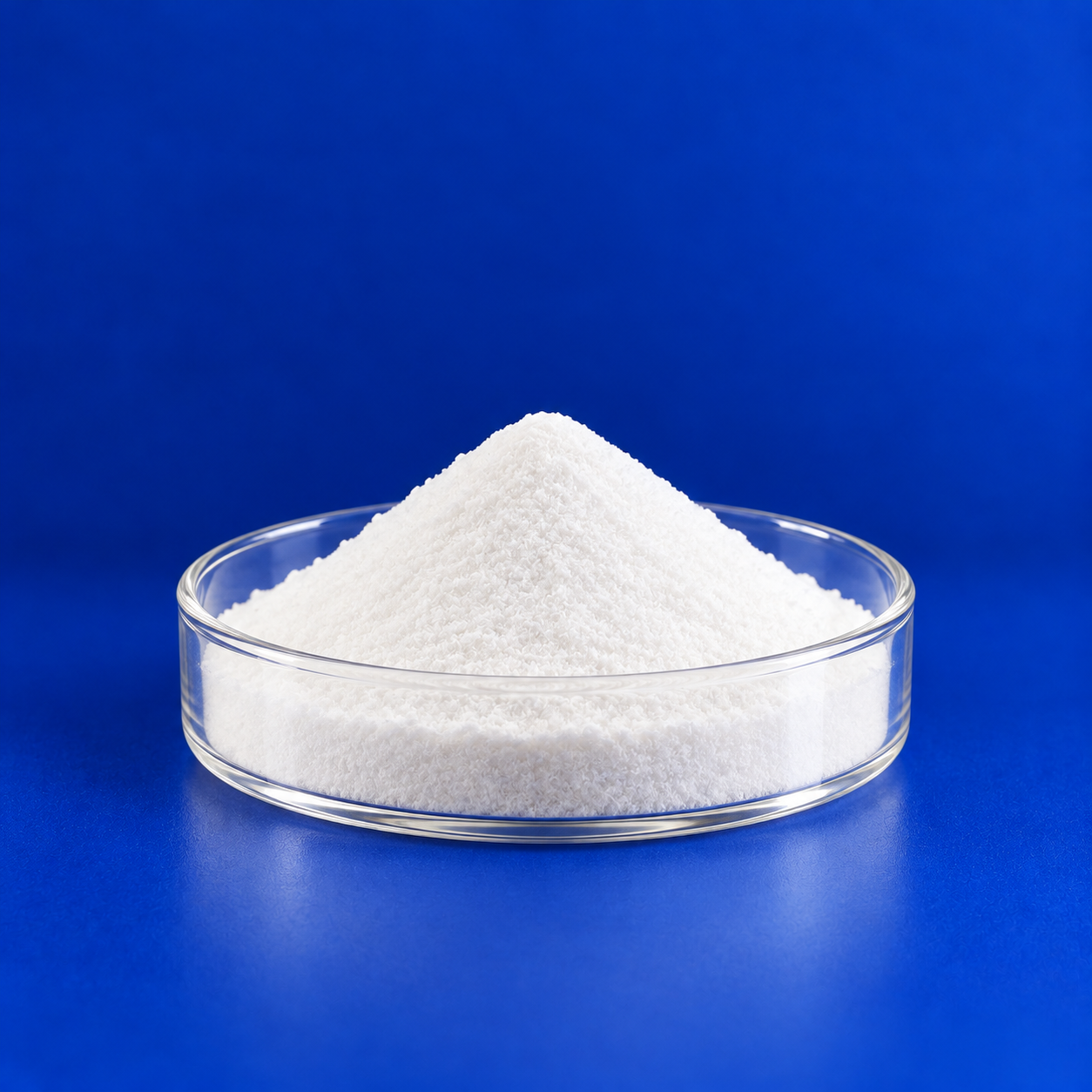
Typical physical form of the PAM product; confirm the current grade specification.
Negatively charged polymer; selection depends on solids and water chemistry.
Evaluate for papermaking wastewater clarification or solids separation where process tests support its use.
Application in papermaking water treatment
Anionic PAM may be considered for flocculation of suspended solids in wastewater clarification and other solid–liquid separation steps. In some treatment programs it is evaluated with PAC; the suitable sequence and dosage depend on water quality and must be established by jar tests or plant trials.
How it differs from cationic PAM
Anionic and cationic PAM carry different charges and are selected for different water and solids conditions. Cationic PAM is often evaluated for negatively charged suspensions and sludge conditioning or dewatering. Anionic PAM may be evaluated for clarification and solids separation, including in combination with a coagulant such as PAC. These are application tendencies, not universal rules; the right choice depends on the specific paper-mill water and process.
Information to share before evaluation
- Water source and key water-quality parameters, including pH and suspended solids
- Treatment objective: wastewater clarification, process-water treatment or sludge handling
- Current coagulants or other treatment chemicals, especially PAC, and dosing sequence
- Equipment, operating constraints and target results
- Available jar-test or plant-trial observations
Technical data and grade confirmation
The published product characteristics below are listed for the current PAM grade. For anionic PAM, the ionic type differs from the cationic grade; confirm the latest TDS and applicability to the selected grade before use.
| Ionic type | Anionic |
|---|---|
| Appearance | White particles or powder |
| Molecular weight | ≥100 × 10⁴ |
| Solid content | ≥90.0% |
| Acrylamide monomer content (dry basis) | ≤0.02% |
| Dissolution time | ≤60 min |
| Screening residue (180 μm sieve) | ≥88% |
Published product information is not a universal operating recipe. Confirm the technical data, preparation method and dosage through representative tests.
How to evaluate anionic PAM
Compare the candidate grade with representative paper-mill water samples. Where PAC is used, test the coagulation and flocculation sequence as a complete program. Assess floc formation, clarification, settling or dewatering performance under the actual process conditions.
Dosage and operating conditions should be established through jar tests and, where appropriate, plant trials. Avoid selecting a grade from ionic type alone.
What should an anionic PAM clarification trial compare?
Compare floc formation, settling and treated-water clarity on representative mill water. If PAC is already in use, record the coagulant and addition sequence so the trial evaluates both stages together.
Discuss an anionic PAM evaluation
Share your water characteristics, treatment objective, current coagulant program and target results to request product information.
Request Product Information