
Paper Functional Agents · Wet-End Chemistry
Retention Aid for Wet-End Papermaking
Retention Aid is evaluated in wet-end systems where retention of fine fibers and fillers is a target, or where solids loss in white water is a concern. Product fit depends on the paper grade, furnish and existing wet-end program.
Use the information below to prepare a product evaluation. The addition point, preparation method and operating conditions should be confirmed for the specific grade and machine.
As listed in the current product information.
Consider charge demand and compatibility with the existing retention chemistry.
Review retention, drainage, formation and machine stability together.
Application and process fit
This product may be considered for wet-end papermaking when fine-fiber or filler retention needs evaluation, or when solids carryover to white water is a concern. Selection should be based on the mill’s actual furnish and process conditions.
Information to share before evaluation
- Paper grade and target paper properties
- Fiber furnish, filler level and main pulp characteristics
- Current retention chemistry and other wet-end additives
- Process pH and, where available, charge-demand information
- Proposed addition point and product preparation or dispersion requirements from the current TDS
- The production concern and the indicators the mill wants to track
Published technical data
The values below reproduce the product information currently published by Aupha Chem.
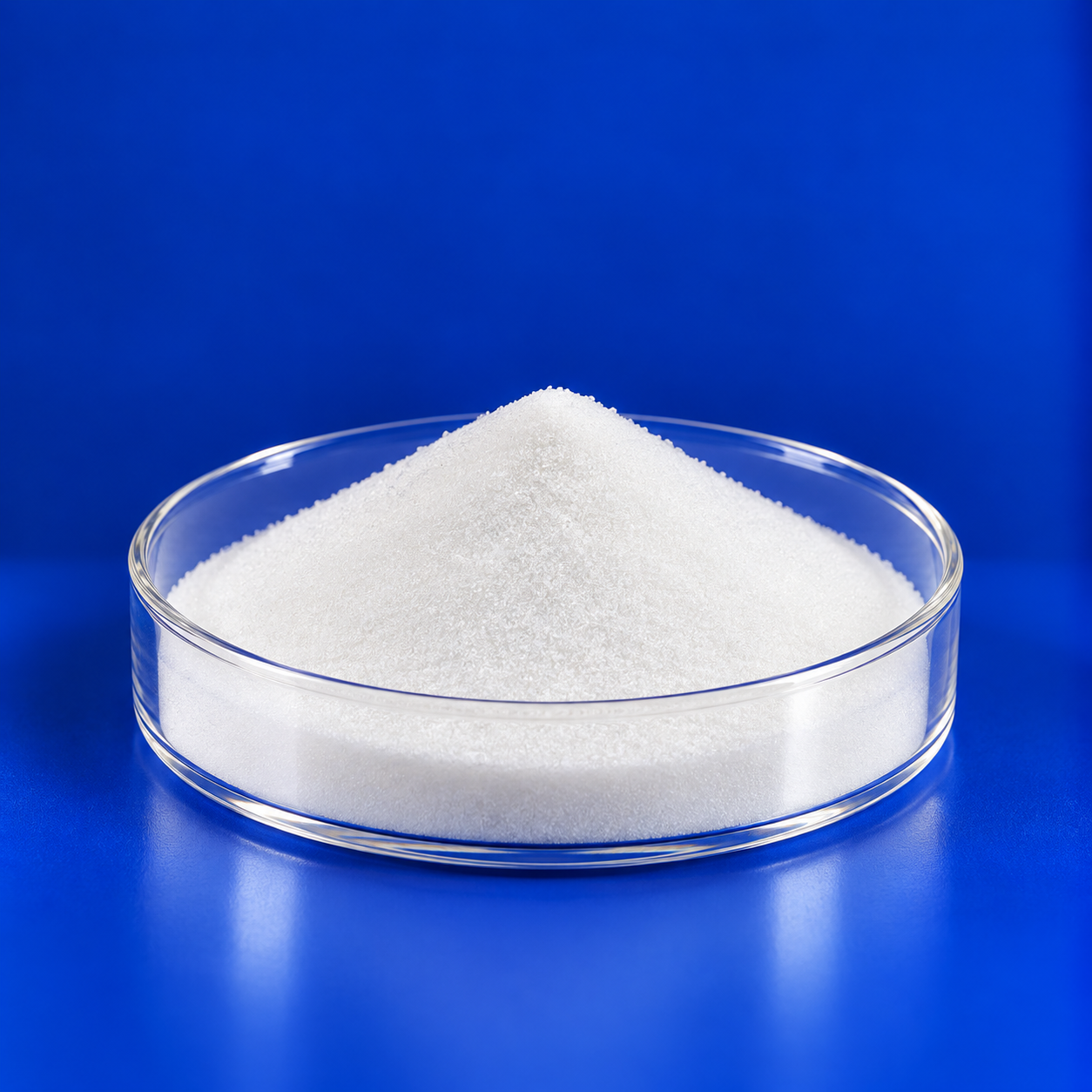
| Characteristics | White granular powder |
|---|---|
| Solid Content (%) | 90.9% |
| Ionic Charge | Cationic |
| Particle Size | 26 |
| Molecular Weight (million) | 8.50 |
Please confirm the applicable test method and current product documentation with Aupha Chem when reviewing these data for a specific grade.
How to evaluate the product
Before a mill trial, confirm the product preparation and feed point against the current TDS and the mill’s existing chemical sequence. Evaluate the agreed target together with retention, drainage, formation and machine stability.
Dosage and operating limits depend on the furnish, paper grade, machine conditions and current chemical program. We do not recommend a generic dosage without reviewing those details.
What should a retention trial use as its baseline?
Record the paper grade, furnish, ash or fines level and current retention measurement before changing the wet-end program. Compare the trial against that baseline and check whether changes in retention affect sheet formation.
Read the recycled-fiber retention and drainage guide
If printing ink is the main concern upstream, use the recycled-paper deinking trial guide to plan those measurements before assessing wet-end retention.
Discuss a Retention Aid evaluation
Share your paper grade, furnish, current wet-end program, addition point and target indicators so our team can review the application.
Request Product Information